
Invisalign Brampton patients consider may help improve mild to moderate crowding, spacing, rotated teeth, and certain bite concerns using a series of clear removable aligners. In Brampton, clear aligners are often chosen by patients who want straighter teeth without brackets and wires. A dentist first checks gum health, cavities, tooth wear, bite function, and existing dental work before recommending treatment. Invisalign success depends on planning, consistent wear, good cleaning habits, and follow-up visits.
Crowded or uneven teeth can affect more than the way a smile looks. Tight spaces may make flossing harder, rotated teeth can collect plaque, and small gaps may catch food during the day. For patients searching Invisalign Brampton, the main question is often whether clear aligners can improve tooth position while fitting into work, school, and daily routines.
Balogh Dental helps Brampton patients understand how aligner treatment works and whether it may be suitable after a full dental evaluation. Invisalign can be a helpful option for certain alignment concerns, but it is not right for every bite or every patient. Before choosing Invisalign Brampton, your dentist needs to look at your teeth, gums, bite, oral hygiene, and the type of movement needed.
How Invisalign Moves Teeth
Invisalign treatment uses a series of clear aligners made to guide teeth through planned movements. Each aligner is slightly different from the one before it. As patients move through the series, the teeth shift gradually.
The aligners fit closely over the teeth and apply gentle pressure. They are removable, which means patients take them out for meals, most drinks, brushing, and flossing. This can make daily cleaning easier than it is with fixed brackets and wires.
Clear aligners work best when they are worn as directed. If aligners are left out too often, teeth may not move as planned. Patient consistency is one of the biggest parts of successful treatment.
What Invisalign May Help Correct
Invisalign may be considered for mild to moderate crowding, small gaps, rotated teeth, and some bite concerns. Patients often ask about clear aligners when lower front teeth overlap, upper teeth look uneven, or spacing has changed over time.
Some people notice alignment concerns because cleaning has become harder. Others notice one tooth that stands out in photos or a smile that feels less balanced.
More complex alignment concerns may need a different orthodontic approach. A dentist can explain whether clear aligners are realistic for your teeth or whether another option may offer a better plan.
Why Oral Health Comes First
Straightening teeth should begin with a healthy foundation. Before aligner treatment, your dentist may check for cavities, gum inflammation, tartar buildup, worn enamel, loose teeth, and signs of clenching or grinding.
Healthy gums are especially important because they support the teeth during movement. If gum disease is active, it may need care before aligners are started. Moving teeth through unhealthy gums can create problems.
Patients searching for a dental clinic Brampton for clear aligners should expect a full oral health check, not only a cosmetic conversation. Tooth position matters, but so do the tissues and bone that hold the teeth in place.
Daily Life with Clear Aligners
One reason patients like Invisalign are that the aligners are less noticeable than traditional braces. This may feel helpful during meetings, school, social events, or daily conversations around Brampton.
The removable design also means patients can eat without brackets or wires. Aligners are taken out for meals, then teeth should be brushed before the aligners go back in. This helps reduce trapped food and plaque.
The routine takes commitment. Aligners need to be worn for the recommended hours each day. They should be stored safely when removed, cleaned regularly, and brought to follow-up visits when requested.
How Invisalign Fits with Cosmetic Care
Invisalign is often part of cosmetic planning, but it solves a different problem than whitening or bonding. Invisalign moves teeth. Whitening changes tooth color. Bonding changes small areas of tooth shape.
Patients also asking about teeth whitening Brampton may benefit from aligning teeth first, then discussing shade. This can make the final cosmetic plan easier to evaluate.
Patients asking about dental bonding Brampton may need bonding after alignment if small chips, edges, or gaps remain. The right order depends on tooth position, bite, enamel, and goals.
Who May Not Be the Right Fit
Invisalign may not be right for every patient. Severe crowding, complex bite problems, active gum disease, untreated cavities, or poor oral hygiene can affect treatment planning.
Patients who cannot wear aligners consistently may also have trouble getting the expected movement. Since aligners are removable, the treatment depends on daily habits.
Existing dental work can affect planning too. Crowns, bridges, implants, and missing teeth do not always move like natural teeth. Your dentist can explain how previous dental treatment may influence the aligner plan.
Benefits Patients May Notice
Clear aligners may support both appearance and oral health for suitable patients. Straighter teeth can look more even, but they may also be easier to clean.
Possible benefits may include:
A more balanced smile appearance
Easier brushing and flossing in crowded areas
Less visible spacing between teeth
A removable option for meals and cleaning
No metal brackets or wires
A treatment plan based on gradual movement
Better alignment before other cosmetic care
These benefits depend on the case, aligner fit, oral health, and how consistently the aligners are worn.
What to Expect at the Invisalign Appointment
Before treatment, your dentist will ask what you want to change your tooth position. You may discuss crowding, spacing, bite comfort, cleaning challenges, or cosmetic goals.
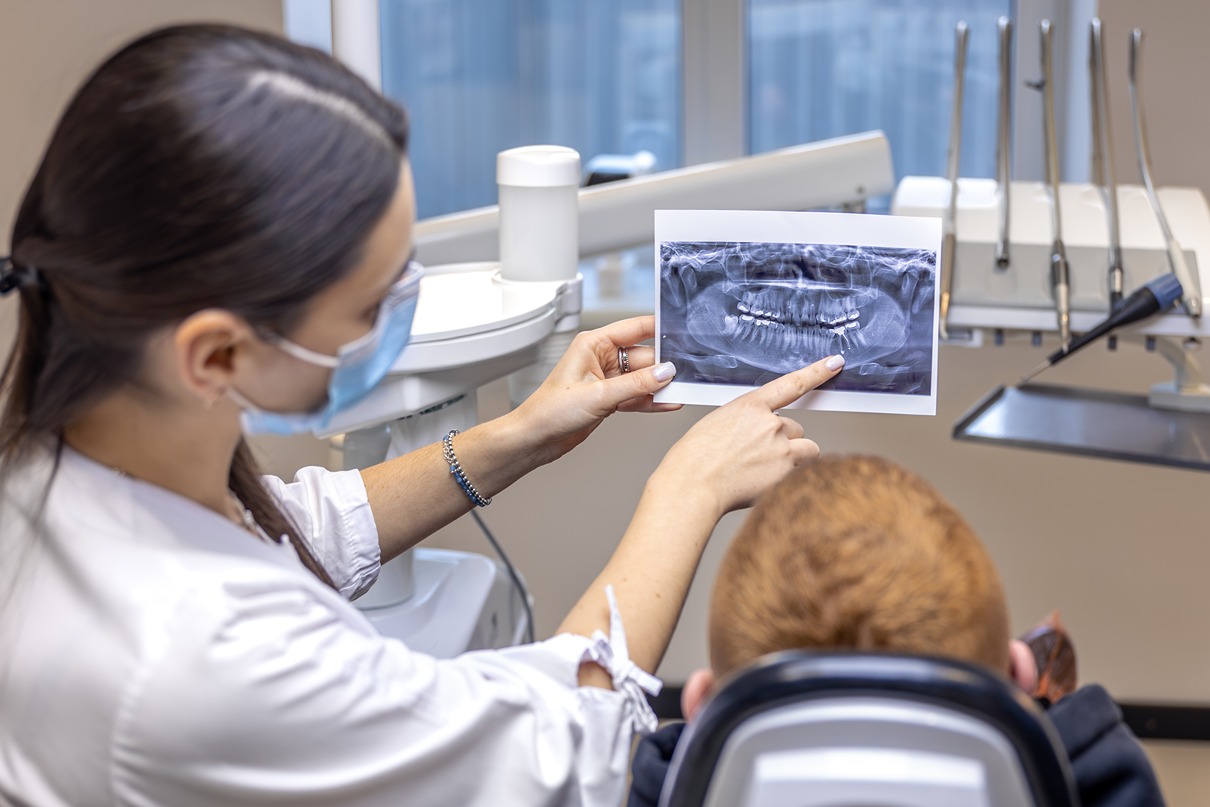
During the visit, the dentist may examine your teeth, gums, bites, enamel, jaw comfort, and existing restorations. X-rays, photos, or digital records may be recommended to help evaluate whether aligners are suitable. If cavities or gum concerns are found, those may need to care first.
After the evaluation, your dentist may explain whether Invisalign is a reasonable option. If treatment moves forward, you will learn how to wear the aligners, remove them safely, clean them, change sets, and keep follow-up visits. After treatment, retainers are often recommended to help maintain the new tooth position.
Local Patient Review
“I wanted straighter teeth but did not want to rush into treatment. The consultation helped me understand what clear aligners could change and what I would need to do each day.”
FAQs About Invisalign in Brampton
How does Invisalign work?
Invisalign uses clear removable aligners that guide teeth into planned positions over time. Each aligner applies gentle pressure before the next set is used.
Who may be a good candidate for Invisalign?
Patients with mild to moderate crowding, spacing, or certain bite concerns may be considered. A dentist needs to check teeth, gums, and bite first.
Do I have to wear aligners all day?
Aligners usually need to be worn most of the day and night, except during meals, most drinks, brushing, and flossing. Consistent wear supports progress.
Can Invisalign help crowded teeth?
In many cases, clear aligners may help with mild moderate crowding. Severe crowding or complex bite concerns may need a different orthodontic plan.
Is Invisalign only cosmetic?
No. Many patients like the appearance benefits, but better alignment may also make cleaning easier. The effect depends on the teeth, gums, and bite.
Can I eat with Invisalign aligners?
No. Aligners are removed before eating. This helps protect the aligners and allows you to clean your teeth before putting them back in.
A Clearer Way to Think About Straighter Teeth
Clear aligners can be a helpful option for Brampton patients who want to improve their tooth position without traditional brackets and wires. The right plan starts with healthy teeth and gums, realistic expectations, and a routine that supports consistent wear. Balogh Dental can help patients understand whether Invisalign fits their oral health, daily life, and long-term smile goals.